

MEDIA & PUBLICATIONS
Bacteriophages and the Pressing Problem of Antibiotic Resistance


Bacteriophages, or phages for short, are abundant and ubiquitous viruses. They are part of nature and are everywhere, in the air, oceans, soil, and in every living being. In humans, they are especially abundant in our guts. If the number of bacteria in our bowels can reach trillions, it is estimated that there are 4–10 phages for every single bacterium.
These viruses were discovered in the early 20th century, independently, by two researchers, Frederick Twort and Félix d’Hérelle. It was the French, d’Hérelle, who first proposed the use of phages as antimicrobials and later made great strides in promoting them for the treatment of bacterial infections. (Figure 1).
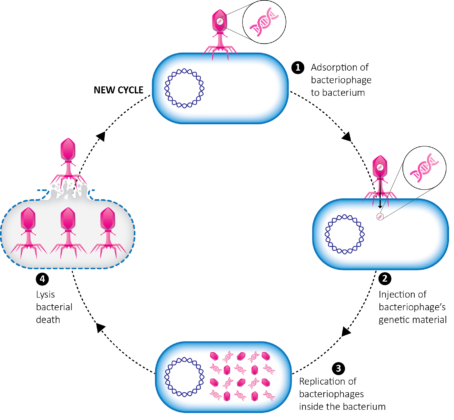
In the pre-antibiotic era, the idea was embraced by hospitals and pharmaceutical companies, such as Eli Lilly. Published scientific reviews indicate that the use of phages spread throughout the world, Brazil included1. In 1924, the Oswald Cruz Institute in Rio de Janeiro started a phage program to treat dysentery. For his achievements, d’Hérelle was nominated eight times for the Nobel prize, but was never awarded one.
Read the full article at: Genetic Engineering & Biotechnology News

RECENT PUBLICATIONS



LINKEDIN FEED

ソーシャルメディアでフォローしてください